
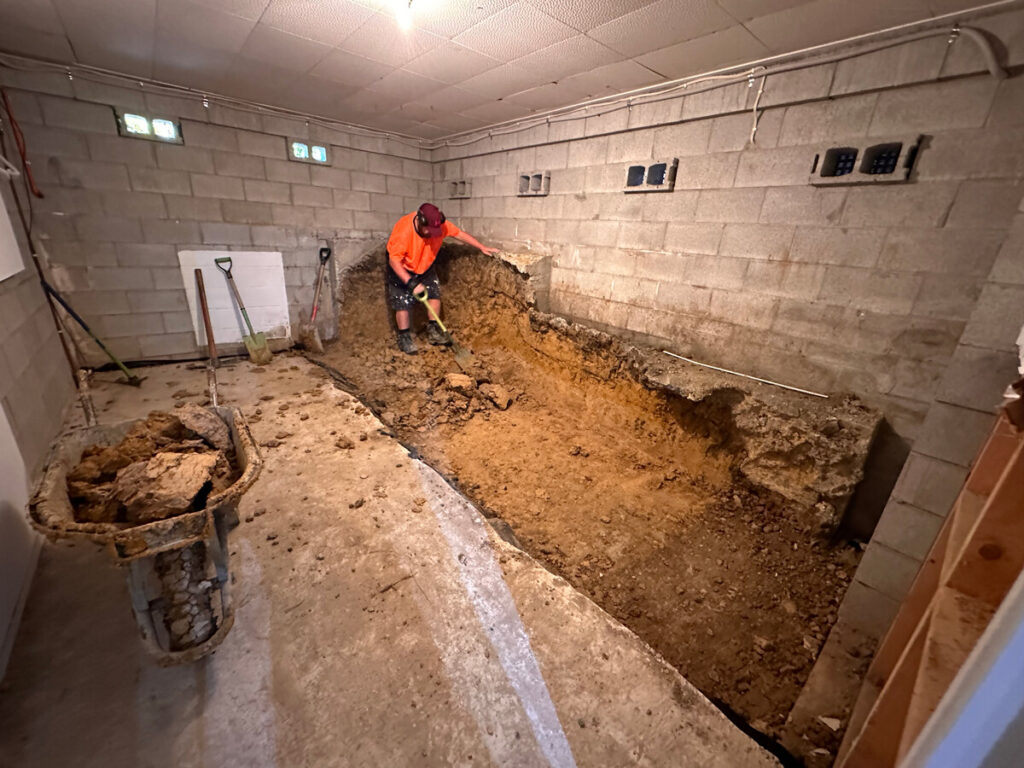
In this article, we’ll walk you through everything you need to know about preparing for, and what to expect when managing, a renovation project.
Whether you decide to DIY or engage an expert PM or only engage professional on a Consultant basis, Retro Construction can do both, this article will also clarify their role. These are the first steps:
- Initial planning
- Setting your budget
- Understanding the consent process
- Hiring trades or a project manager
- Tips for managing a renovation project
- Homeowner hindsight and learnings
- A renovation management checklist.
1. Initial Planning for Renovation
Every well-executed renovation, whether a full build or a single room, begins with a plan. This is your opportunity to get creative, gather ideas, and research options. Renovations are made up of multiple phases that must come together at the right time. Your finished build will only be as good as your planning. Taking the time to plan thoroughly and in detail is critical!
Consider the who, what, when, and why of your renovation:
- Who is the renovation for?
Consider who will live in the home now and in the future. Are you renovating for your family, for resale, for rental, or for investment value? Comfort-focused upgrades may not always deliver a financial return, so understanding this upfront helps you decide what level of investment is appropriate. - What is the focus?
Identify which areas need the most attention and which can be lower priority. This wish list can later be aligned with your budget. Some ideas may not be feasible due to council restrictions, cost, or buildability, so consulting a professional early (even in a consultant-only role) is highly recommended. - When should the work happen?
Decide what must be done now versus what can wait. Completing work in one phase is often more cost-effective and less disruptive. Factor in your work commitments, family events, and personal capacity, especially if managing the project yourself. - Why are you renovating?
Your reason—adding value, improving lifestyle, adapting to change, or preparing for sale—will directly influence how much you should invest and which areas.
2. Setting Your Budget
Your budget acts as a roadmap, guiding decisions and helping prevent overspending. Ideally, your renovation spend should align with your home’s value. Over-capitalising can limit future flexibility. Always include contingency for unforeseen issues, such as hidden defects behind walls. To determine your maximum budget, consider:
- Original purchase price
- Estimated resale value in the current market
- Current condition of the home
- What the bank may lend
- Available savings or capital.
3. Understanding the Consent Process
Before starting any work, determine whether building consent is required. Most NZ council websites provide clear guidance, or you can consult an architectural or building consultant, especially for DIY projects. Structural changes, additions, and work affecting safety or weathertightness generally require consent. The process usually includes:
- Submission of plans and documentation
- Council review for compliance
- Consent approval
- Site inspections during construction
- Final approval and CCC issuance.
4. Hiring Trades or a Project Manager
Experienced builders and tradespeople bring technical expertise, regulatory knowledge, and cost awareness. Many builders now offer turnkey services, helping with budgeting and feasibility early in the process. Using one company or a coordinated team often reduces miscommunication. When selecting a tradesperson or PM, consider:
- Qualifications and licences
- Proven experience and past projects
- Relevant renovation experience
- Reviews and references
- Communication style and collaboration
- Face-to-face meetings to establish trust.
5. Tips for Managing a Renovation Project
To achieve the best outcome:
- Plan thoroughly before starting
- Clearly define roles and responsibilities
- Hold regular progress meetings
- Remain flexible and adaptable
- Communicate clearly and document decisions
- Prioritise health and safety
- Complete tasks early where possible
- Arrange insurance, inspections, access, and personal logistics.
6. Homeowner Hindsight and Learnings
Homeowners who managed their own renovations commonly shared these lessons:
- Use consistent subcontractors for quality and continuity
- Allow more time for planning and scheduling
- Collect inspiration early and clarify outcomes
- Check reviews and always have a backup plan
- Visualise daily use of spaces
- Break the project into manageable stages and ask for help when needed.
7. Renovation Project Checklist
Before the Renovation
- Define goals and budget
- Research and plan thoroughly
- Select qualified professionals
- Obtain all required consents
- Prepare and sequence demolition
- Finalise materials and orders
- Arrange insurance and personal schedules.
During the Renovation
- Oversee construction progress
- Conduct regular inspections
- Maintain communication and records.
After the Renovation
- Complete finishing touches
- Conduct final walkthrough
- Clean up and remove waste
- Obtain final approvals and CCC.
Keep in mind that Retro Construction can assist on a Consultancy basis of full Turnkey Projects – We’re only a call away!