1. Building Classification & Scope
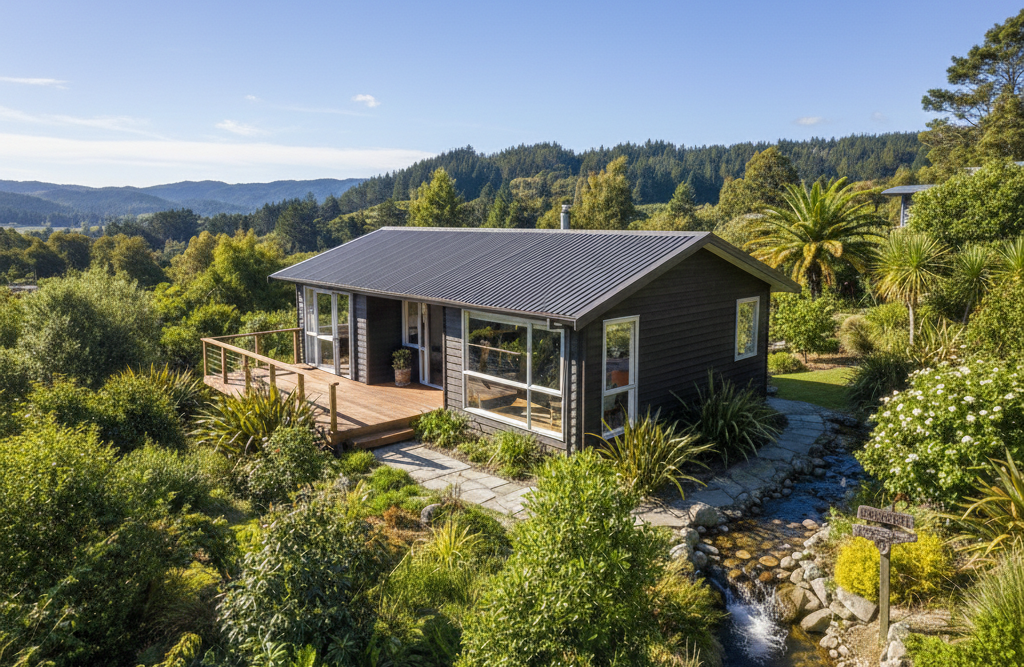
- Structure: The dwelling must be a new, standalone, single-storey build.
- Use Class: It falls under the “Housing – detached dwelling” classification (Building Code Clause A1). It must be intended for a single household/family and comply with all relevant Building Code requirements.
- Garage: An internal garage is permitted.
2. Required Dimensions & Location
- Floor Area: The net floor area must not exceed 70 square metres.
- Height Restrictions:
- Floor level must be no more than 1 metre above the ground.
- Total building height must be no more than 4 metres above the floor level.
- Boundaries: The structure must be positioned at least 2 metres away from legal boundaries or other buildings. It cannot straddle the boundary lines between separate allotments.
3. Construction Materials
- Roofing: Must utilize lightweight building products (maximum weight of 20kg per square metre).
- Framing: Must be constructed from light steel or light timber.
- Cladding: Wall cladding weight must not exceed 220kg per square metre.
4. Amenities & Services
- Plumbing: Systems should be simple and strictly adhere to Acceptable Solutions for Building Code compliance:
- Clause E1 (Surface water)
- Clause G12 (Water supplies)
- Clause G13 (Foul water)
- Utility Connections: Plumbing and drainage must connect to Network Utility Operator (NUO) services if available. If NUO services are unavailable, onsite water systems are exempt from consent requirements.
- Energy & Heating: The dwelling requires independent electricity and gas supply points (if applicable) and must include installed electric or gas heating.
- Showers: Level-entry showers are currently restricted until a specific licence class is created for Licensed Building Practitioners (LBPs).
5. Professional Supervision
- Qualified Trades: All construction must be performed or supervised by Licensed Building Practitioners (LBPs) and registered tradespeople (plumbers, drainlayers, gasfitters, and electricians).
- Documentation: Every project requires a Record of Work (RoW), Certificate of Work (CoW), and energy work certificates.
- Note: A new RoW form is proposed specifically for plumbing/drainage on these exempt dwellings.
- Note: Energy certificates include relevant compliance and safety certificates required under the Electricity Act 1992 or Gas Act 1992.
- DIY Electrical: Owner-occupiers may perform limited wiring under the “domestic exemption” (Electricity Act 1992, s79), provided the work is certified by an electrical inspector.
6. Post-Construction & Compliance
- Completion Status: The project is deemed complete once the homeowner possesses all necessary professional documentation (RoWs, CoWs, and Safety Certificates).
- Council Notification: Within 20 working days of completion, the homeowner must submit a full set of “as-built” plans (structural, plumbing, and drainage) to the Council.
- Administrative Record: The Council files these plans for record-keeping only; they do not assess the built plans for Building Code compliance.
- Penalties & Fees:
- Failure to submit documentation within the 20-day window may result in infringement penalties.
- Any applicable development contributions must be paid within this same timeframe.
- Eligibility: These rules apply to new projects starting after the regulation comes into force (expected early 2026). Projects already underway are not eligible for this exemption. If any condition above is not met, a standard building consent is required.